BENEFITS 益处
Improves spinal and pelvic mobility; reduces over-recruitment (relaxes unnecessary tension); promotes proprioception, establishes awareness of pelvic and spinal neutral.
改善脊椎与骨盆的活动度;减少肌肉过度募集(放松不必要的紧张);促进本体感觉,建立骨盆与脊椎中立位的意识。
TARGET MUSCLES 目标肌群
Deep core stabilizers (transversus abdominis, multifidus, pelvic floor for trunk stability, not primary movers), hip surrounding muscles (synergistic for pelvic motion).
核心深层稳定肌群(腹横肌、多裂肌、骨盆底肌以稳定躯干,非主动发力)、髋关节周围肌群(协同完成骨盆运动)。
SETUP 设置
None
无
CUES 口令
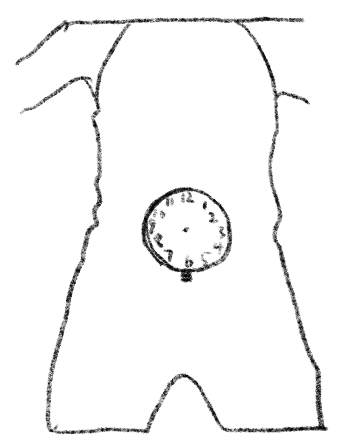
Starting position: Supine, knees bent, feet flat, hip-width apart. Spine neutral. Arms by sides, palms up or down. Breathing/Movement: Sagittal plane: Inhale prepare, exhale posterior tilt (tailbone lifts, pubis to ceiling, low back presses down, imagine pelvis moving to 12 o'clock). Inhale anterior tilt (low back arches slightly, pubis toward heels, imagine pelvis moving to 6 o'clock). Frontal plane: Natural breath, tilt pelvis right (right hip down, left hip up, imagine moving to 9 o'clock). Then left tilt (to 3 o'clock). Multi-plane: Circle pelvis clockwise or counterclockwise, imagining the rim moving around the clock. Imagery: Imagine a disc in pelvis, sacrum as center point, drawing clock numbers with center; pelvis like a bowl of water, tilting to keep water level.
起始位:仰卧在垫上,膝盖弯曲,双脚平放地面,与髋同宽。脊椎保持中立位。手臂放于身体两侧,手心朝上或朝下。 呼吸与动作: 矢状面:吸气预备,吐气将骨盆向后倾(尾骨向上抬,耻骨向天花板,腰压向垫子,想象骨盆向12点方向移动)。吸气,将骨盆向前倾(腰部微离地,耻骨向脚跟方向,想象骨盆向6点方向移动)。 横切面:保持自然呼吸,将骨盆向右侧倾斜(右髋向地板,左髋向天花板,想象骨盆向9点方向移动)。然后向左侧倾斜(向3点方向)。 多平面:将骨盆沿顺时针或逆时针方向画圈,想象骨盆沿着时钟外缘移动。 想象提示:想象骨盆里有一个圆盘,骶骨是中心点,你正用这个中心点去描画时钟的数字;骨盆像一碗水,通过倾斜让水面保持水平。
IMAGERY 意象
Direct: Feel sacrum drawing numbers on mat. Indirect: Like clock hands, moving precisely and smoothly. Space: Imagine ample space in hip sockets for free femoral movement. Feeling: Focus on movement of pubis, coccyx, and both ASIS points.
直接:感受骶骨在垫上描画数字。间接:像钟表的指针,精准而平滑地移动。空间:想象髋关节球窝中有足够的空间让股骨头自由活动。感觉:注意力放在耻骨、尾骨、两侧髋骨(髂前上棘)四个点的运动上。
TACTILE CUES 触觉提示
1. Lightly place hands on ASIS to guide movement in all directions. 2. Place one hand under sacrum, one on pubis to guide sensing 12 and 6 o'clock. 3. During frontal plane, lightly touch lateral hips to guide tilts.
1. 双手轻放在练习者髂前上棘(ASIS),引导其向各个方向移动。2. 一手放在骶骨下,一手放在耻骨上,引导其感知12点和6点的运动。3. 在横切面练习时,轻触其髋部外侧,引导左右倾斜。
PROGRESSION 进阶
1. Practice diagonal directions (eg: 1:00-7:00, 2:00-8:00). 2. Perform same on a gym ball for instability.
1. 进行对角线方向练习(如1:00-7:00, 2:00-8:00)。2. 坐在健身球上进行同样的骨盆时钟练习,增加不稳定因素。
REGRESSION 退阶
1. Limit to one plane (sagittal or frontal) until mastered. 2. Greatly reduce range, focus on subtle sensation. 3. Place small ball or ring between knees for proprioceptive feedback.
1. 限制动作只在一个轴线上(矢状面或横切面),熟练掌握后再进行多平面组合。2. 大幅减小动作幅度,专注于微小的感知。3. 在膝盖之间夹一个小球或普拉提圈,提供本体感觉反馈。
COMMON ERRORS 常见错误
Excessive tension in trunk/leg muscles, becoming stiff; unstable lower limb alignment (eg: knees wobbling); ribs lifting off mat; breath holding; seeking large range and losing control.
躯干和腿部肌肉过度用力,变得僵硬;下肢排列不稳定(如膝盖晃动);肋骨离开垫子;动作时憋气;追求大幅度而失去控制。
PRECAUTIONS 注意事项
No absolute contraindications. In late pregnancy, elevate upper body with pillow/wedge. For those with discomfort in extension/flexion, limit range to comfort.
无绝对禁忌症。怀孕后期可用枕头或楔形枕垫高上半身。躯干后仰或屈曲不适者,应限制动作范围在舒适区内。